Wondering what does npk mean on a plant feed bottle? NPK stands for nitrogen (N), phosphorus (P) and potassium (K). These three nutrients help plants grow, develop roots, produce flowers and manage essential processes. The numbers beside NPK tell you the proportions of these nutrients in the fertiliser.
However, a bigger number doesn’t automatically mean a better feed. Different plants need different things, and the season matters too. Here’s how I’d make sense of those numbers without getting tangled in chemistry.
What does npk mean for plant growth?
Plants need nutrients to build new growth and keep their internal systems working. Their roots absorb mineral nutrients from the growing medium, usually dissolved in water. Meanwhile, leaves use light to make sugars through photosynthesis.
Think of NPK as three members of a gardening team. Each has a particular job, but they work together. As the RHS guide to fertilisers explains, nitrogen, phosphorus and potassium support different parts of plant development.
N is for nitrogen: leafy growth
Nitrogen helps plants make proteins and chlorophyll. Chlorophyll gives leaves their green colour and helps them capture light. As a result, nitrogen plays a major part in producing healthy leaves and stems.
However, too much nitrogen can encourage leafy growth at the expense of flowers or fruit. So more isn’t always better, particularly when a plant has started slowing down.
P is for phosphorus: roots and energy
Phosphorus helps plants transfer and store energy inside their cells. It also supports root development and the processes involved in flowering and fruiting.
Think of it as helping the plant manage its energy budget. Without enough phosphorus, growth can suffer. However, adding extra phosphorus won’t automatically make a healthy plant flower more.
K is for potassium: keeping things working
Potassium helps regulate water movement and supports enzyme activity within the plant. It also contributes to flowering, fruit development and general plant function.
In other words, potassium helps the plant manage its daily workload. However, it cannot replace nitrogen or phosphorus. Plants need the right balance rather than one nutrient doing all the work.
How do you read the NPK numbers?
When someone asks what does npk mean, they’re often really asking about the three numbers. These appear in the order nitrogen, phosphorus and potassium, regardless of which nutrient has the highest figure.
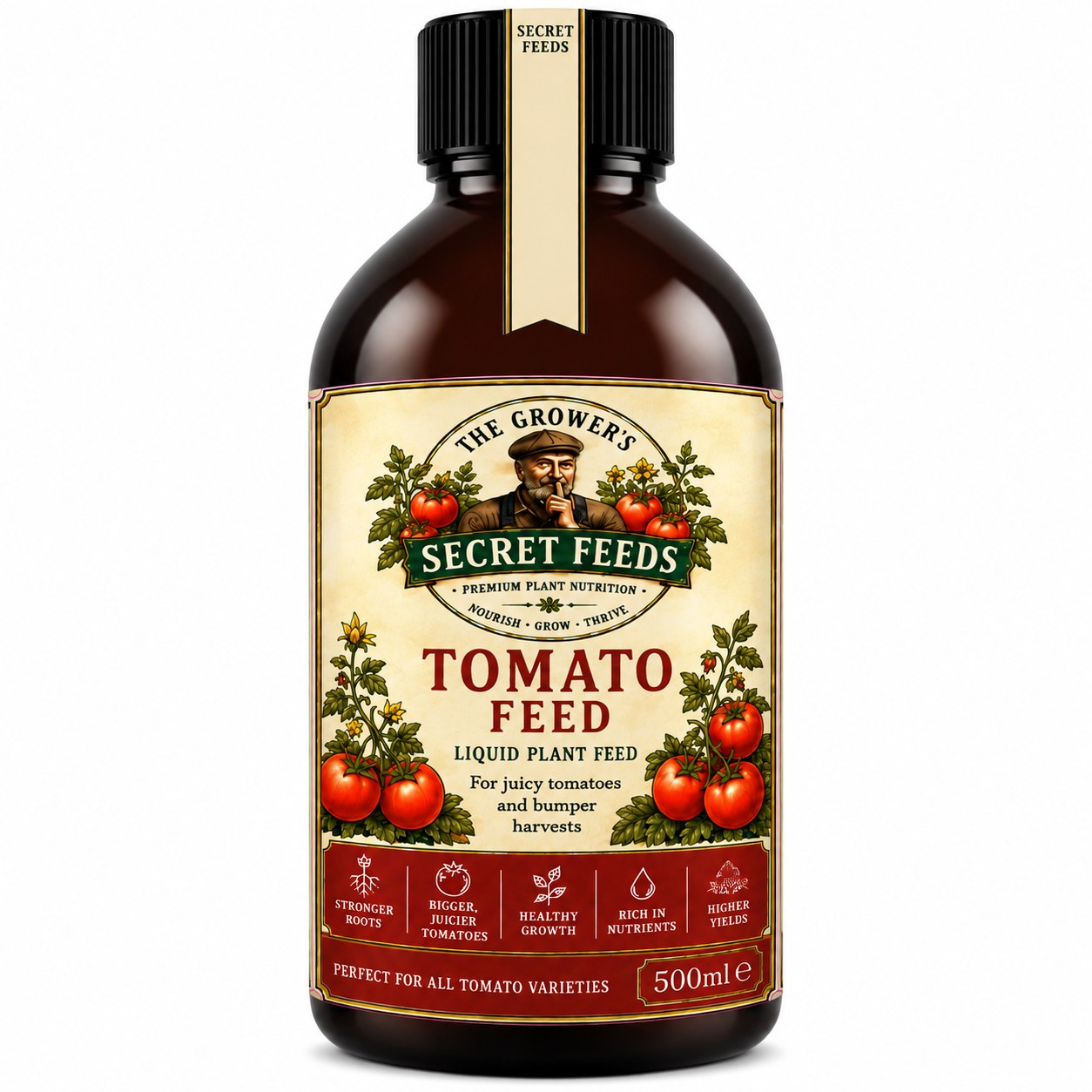
For example, Secret Feeds Tomato Feed 500ml has an NPK of 4-7-10. That means 4 for nitrogen, 7 for phosphorus and 10 for potassium.
Importantly, the figures describe nutrient content, not how quickly a product works. The RHS explanation of fertiliser labels covers how manufacturers express these nutrient figures.
So what does npk mean when one number is higher? It shows that the fertiliser contains a greater declared proportion of that nutrient. However, you still need to consider the plant, growing conditions and feeding season.
Why the highest number isn’t always the answer
A plant doesn’t read a fertiliser bottle. Instead, it responds to available nutrients, moisture, light, temperature and its stage of growth.
For example, a plant making new leaves has different demands from one entering dormancy. Consequently, choosing a feed means looking beyond the largest number. I’d start with the plant’s needs, then consider whether feeding makes sense at all.
What happens when plants lack nutrients?
Understanding what does npk mean also helps you recognise possible feeding problems. Nitrogen deficiency can cause older leaves to turn pale or yellow. Meanwhile, phosphorus deficiency may cause poor growth or unusually dark foliage.
Potassium deficiency can produce yellowing or browning around older leaf edges. However, these symptoms don’t prove a nutrient shortage. Cold roots, unsuitable moisture levels and other growing problems can look similar.
The RHS nutrient deficiency guide explains the main warning signs and possible remedies. It’s worth consulting before reaching for another bottle.
Remember, adding fertiliser won’t fix every yellow leaf. Sometimes the sensible answer is better watering, improved growing conditions or simply patience. That’s particularly true during autumn.
What this means for your plants in October
October changes the feeding picture across the UK. Days shorten, nights cool and the first frosts become possible, especially inland and further north. As a result, many outdoor plants slow their growth and need less feeding.
The RHS explains that roots absorb nutrients from their surroundings. However, nutrient uptake and plant growth slow in colder conditions. Its guide to how plants absorb nutrients also explains why autumn and winter feeding often makes little sense.
So, what does npk mean for an autumn feeding routine? It means understanding the numbers without assuming you must use them. I’d leave feed in the shed when an outdoor plant has stopped actively growing.
- Check for active growth. Look for fresh leaves, developing shoots or ongoing flowering. However, don’t mistake an evergreen plant for one that’s actively growing.
- Check the growing conditions. Feel the growing medium and consider recent temperatures. Cold, waterlogged roots won’t benefit from extra fertiliser.
- Consider the plant’s season. Reduce or stop feeding plants entering dormancy. Meanwhile, assess actively growing indoor plants individually.
- Choose the appropriate feed. Match the product to the plant and its current growth stage. Then use the dilution guidance for that product.
- Review before feeding again. Watch how the plant develops rather than feeding automatically. Finally, remember that winter rest is perfectly normal.
For more seasonal advice, see my October plant feeding guide. It explains when to reduce feeding and when to put the watering can away.
How Secret Feeds fits into the NPK picture
Now you understand what does npk mean, you can put that knowledge to practical use. Secret Feeds offers concentrated liquid feeds for different plants, including two tomato feed sizes with their own usage guidance.
Secret Feeds Tomato Feed 500ml
Secret Feeds Tomato Feed 500ml is a concentrated liquid tomato feed with NPK 4-7-10. It suits all tomato varieties in pots, containers, growbags, raised beds and greenhouses.
Dilute Secret Feeds Tomato Feed 500ml at 5ml per 1 litre of water. The product guidance covers feeding from planting through to the end of harvest. For frequency, consult the product page for this exact size.
Secret Feeds Tomato Feed 1 Litre
Secret Feeds Tomato Feed 1 Litre is a concentrated liquid feed for tomatoes in pots, containers, hanging baskets and borders.
Dilute Secret Feeds Tomato Feed 1 Litre at 5ml per 1 litre of water. Begin when the first fruits start swelling and continue through cropping. For frequency, consult the product page for this exact size.
For general mixing advice, visit the Grower’s Guide to concentrated feeds. You can also consult the feed dilution and frequency chart when planning your routine.
However, October isn’t a reason to keep feeding tomatoes that have finished cropping. Match feeding to the product’s timing and the plant’s actual growth. You can explore the concentrated plant feeds range when planning future growing seasons.
FAQs
What does npk mean on fertiliser packaging?
It identifies nitrogen, phosphorus and potassium in that order. The accompanying figures describe their declared nutrient content, helping you compare fertiliser formulations.
Does a higher NPK number mean stronger fertiliser?
A higher figure indicates more of that declared nutrient, but it doesn’t make a feed automatically more suitable. Plant needs, nutrient balance and growing conditions matter too.
What does npk mean for flowering plants?
Nitrogen supports leafy growth, while phosphorus and potassium contribute to processes involved in flowering. However, suitable light, water and temperature also matter.
Should I use NPK fertiliser in October?
Many outdoor plants need little or no feeding as growth slows. Instead, assess active growth and follow the timing guidance for your particular product.
And that’s what does npk mean in everyday gardening: three useful nutrients, each doing its job. Understand the numbers, watch your plants and don’t feed simply because you’ve got a bottle handy. For more practical help, browse the Grower’s Guides. Secret Feeds is also stocked at selected garden centres in Lancashire and Cheshire, listed on our Stockists page.
Comments are closed